Wilhelm, Friedermann, and Erickson assert, “We believe that in order to be literate in the twenty-first century, students must become composers and readers of hypermedia. They must understand its possibilities, uses, and design. Since our future texts, even more so than our current ones, will be hypertextual, students will need to understand the conventions and construction of such texts." (as cited in Hicks, 2013, 28) This quote exemplifies the work we do in modern and emerging digital literate classrooms and the why associated with that work very well. Although this quote is very true in nature, it is often overlooked that as literacy becomes more interactive and engaging, we too must be diligent in ensuring students are being equally critical of the information they take in on a daily basis. In the modern age of Common Core, students are pushed to think critically about everything they read and write. What sometimes gets swept under the rug in many classrooms is the need to be critical of information received digitally too.
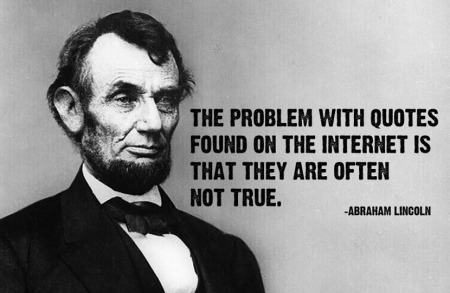 |
I have come to the realization that the only way to genuinely build the skill is to have students practice the skill and engage in real dialogue around the issue. In my own classroom, this hurdle is something we cross frequently. Because the source perhaps looks credible or uses language in a convincing way, it is automatically deemed credible in the eyes of some of my students. The reality is that it is scary to consider the cultural impact of students believing everything they hear and see on the internet, on social media platforms, and even in newspapers without first considering the level of bias and accuracy that may or may not exist in the context of the writing. My go-to checklist in my classroom sounds very similar to the questions originally posed by Hicks in the text. I like to ask questions like: Who is the author? Why was this work crafted? What makes this work believable? Are there other texts that perhaps present a varying or more critical viewpoint on the topic? Asking these questions is one way I have started to get students thinking about the information they take in and learn from as it relates to the various digital literacy platforms.
The second challenge identified is the biased information users receive upon searching for new information. Eli Pariser argues that “filter bubbles” create a negative discourse in terms of “influencing our understanding of politics, religion, science, the arts, our communities, and ourselves.” (as cited in Hicks, 2013, 33) Knowing the internet is equally as smart as human beings, if not smarter, we as teachers have to be very aware and conscious of this pitfall of researching and receiving information and facts based on our own interests and previous search records. Now that I know the term associated with searches tailored to an individual's internet history, it becomes a little easier to have a dialogue with students about the potential pros and cons of this functionality. By discussing it, they will be more inclined to think twice or try to find other sources to support or even refute some of the facts the internet might present them with. More importantly, if we want students to be true critical thinks, that skill has to be built digitally as well. After all, most students are digital natives who are still learning the tools and possibilities.
This video is a great teaching tool that helps kids
internalize what it means to identify bias in
informational text.
I am interested to know how you navigate the conversation with students around how Common Core requires students to think critically about what they read and the importance associated with approaching current digital literacies that exist within our society critically as well. I am also sharing a few resources down below for people interested in starting this conversation with teachers and students in your respective schools. Please share your thoughts and takeaways below. I look forward to hearing from you soon.
Bias Lesson--Media Smarts
Identify Bias--State Library of Victoria
Hicks, T. (2013). Crafting digital writing: Composing texts across media and genres. Portsmouth, NH: Heinemann.
Maloy, R. (2016). Commentary: Building web research strategies for teachers and students. Contemporary Issues in Technology and Teacher Education, 16(2). Retrieved from http://www.citejournal.org/
Recognizing Bias [Video file]. Retrieved from https://www.youtube.com/watch?v=BbP8OD_RWvA
[Untitled illustration of Abraham Lincoln]. Retrieved June 9, 2016 from http://www.relatably.com/q/img/abraham-lincoln-believe-internet-quote/abraham-lincoln-quote-internet-hoax-fake-450x293.jpg
[Untitled illustration of Albert Einstein]. Retrieved June 9, 2016 from http://www.relatably.com/q/img/abraham-lincoln-believe-internet-quote/vHWV5CD.png
